App development agency pricing: what to budget
MVP vs v1 cost bands, fixed-bid trade-offs, and how change orders work — so you fund a shippable app instead of an open-ended build.
Maya Chen
Editor, Appsli · Jul 8, 2026 · 9 min read
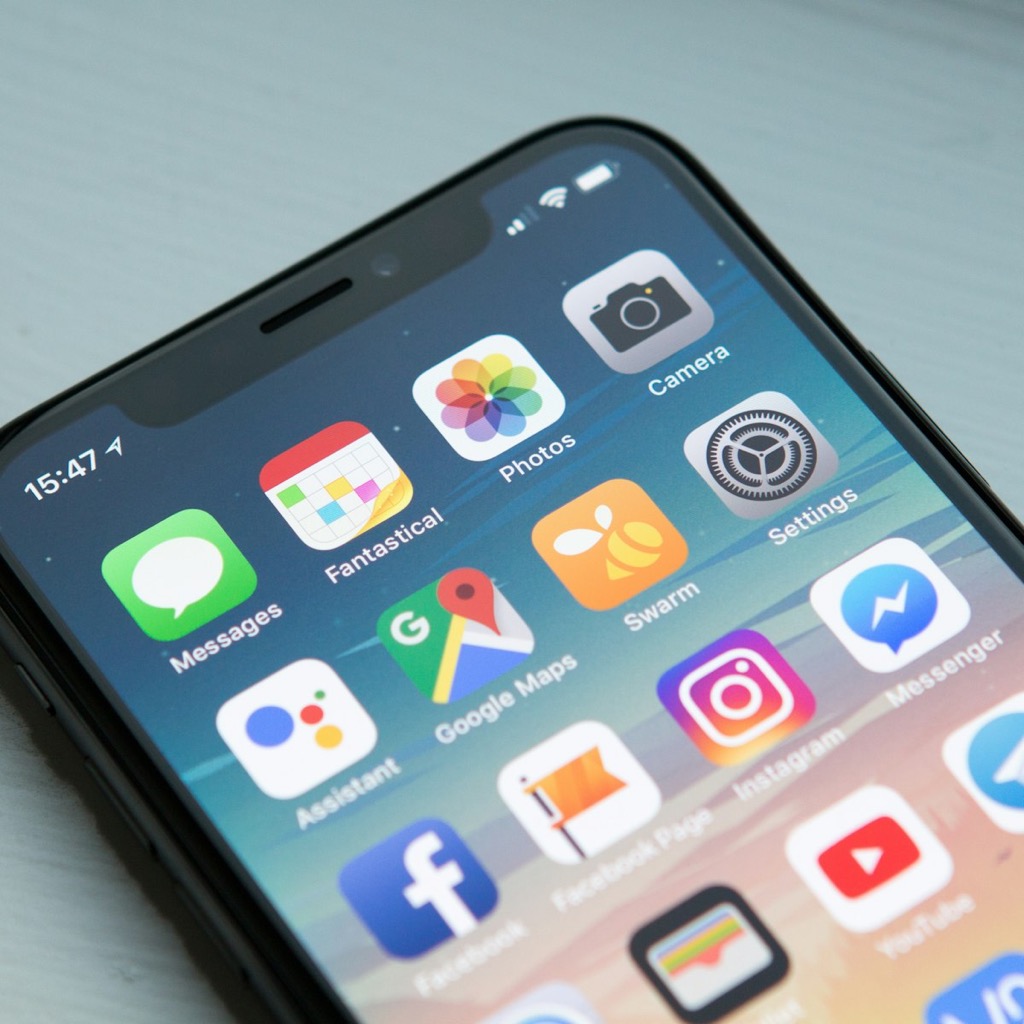
App agency quotes look chaotic because apps are uncertainty machines. The same “build our app” brief can mean a two-screen prototype, a store-ready MVP, or a product that needs backend, admin, analytics, and compliance — and buyers often mix those stages in one RFP. Budgeting well starts by naming the release you are actually buying, not the roadmap fantasy.
Price is driven by four levers: platform choice (iOS, Android, cross-platform, or PWA), product surface area (how many user journeys must work end to end), backend and integrations (auth, payments, your APIs, third-party SDKs), and quality bar (prototype polish vs store review, accessibility, monitoring, and handover). Senior product engineers and designers cost more than a body shop — and for a first release that usually saves money.
Separate MVP from v1 before you ask for numbers. An MVP proves one sharp bet: a thin set of flows, one primary platform or a deliberate cross-platform stack, instrumentation enough to learn, and a path to ship. A v1 is what you run a business on: hardened edge cases, admin or ops tools, retention loops, payments or entitlements that survive real traffic, and a maintainable codebase your team can own.
Useful budget bands (U.S./Western Europe agency rates, mid-market product scope — not consumer games or medical devices): a discovery or prototype sprint often sits in the low–mid five figures. A focused MVP commonly lands mid–high five figures to low six figures. A credible v1 with payments, roles, analytics, store compliance, and backlog for the next quarter often runs low–mid six figures; dual native apps, complex sync, or regulated data push higher. Offshore and freelancer mixes can undercut those bands — compare seniority and ownership, not the bottom line alone.
Cross-platform (React Native, Flutter) often cuts duplicate UI work versus two native teams, but it does not cut product discovery, backend, or store process in half. Native still wins when you need deep platform UX, bleeding-edge APIs, or separate performance profiles. Ask agencies to price the stack they recommend against your constraints — not the stack that maximizes billable hours.
Pricing models shift risk. Fixed project price works when acceptance criteria are frozen and unknowns are small. Time-and-materials (ideally with a weekly cap and burn report) fits evolving backlogs. Hybrid is common and healthy: fixed discovery or technical spike, then a priced build once the cut list is real. Retainers suit post-launch product teams iterating weekly — not inventing the first release.
Fixed-price app bids fail in predictable ways. Scope written as epics without acceptance tests becomes endless argument. App Store and Play review delays land on your calendar but rarely on the agency’s contingency. “One more screen” after usability tests blows the bid. Agencies either pad heavily (you overpay) or bid thin and survive on change orders (you overpay later). If you insist on fixed price, pay for discovery first and require a change-order clause — do not negotiate fantasy certainty into a single line item.
Change orders are not a failure; unmanaged change is. A clean process names what is in the SOW, how new requests are estimated (hours, schedule slip, price), who approves, and when work may start. Weekly demos and a shared backlog make scope visible before it becomes a surprise invoice. Plan contingency of roughly 10–20% of build cost for a first app; spend it on learnings, not on silent polish nobody prioritized.
Quote comparison needs a shared template. For each shortlisted agency, capture: platforms and stack, MVP vs v1 definition, user journeys in scope, integrations, environments and CI, testing and store submission ownership, team names/roles and allocation, assumptions, exclusions, payment milestones, IP and repo ownership, and all-in cost through first store release (plus 30 days of warranty or hypercare if offered). A cheaper bid that omits backend, analytics, or submission support is not cheaper.
Protect the engagement in the contract. You should own the repos, app store accounts, analytics, and cloud under your organization. Define environments, definition of done, and how bugs found in UAT are handled versus new features. Prefer milestones tied to working software you can exercise — not slide decks. Ask what happens if a platform rejects the build; vague answers become schedule risk.
When your brief is ready — outcome, platform constraints, MVP cut list, budget band or model preference, and timeline — talk to agencies that ship product, not just pitches. Browse app development partners on Appsli or get matched at /get-matched so quotes land against a comparable scope instead of optimistic guesses.
Frequently asked questions
MVP vs v1 — what budget bands should I expect?
Ballpark only: a focused MVP (one platform or cross-platform, core flows, soft launch quality) often lands in the mid–high five figures to low six figures with a competent agency. A v1 with hardened auth, payments, admin, analytics, store compliance, and room for real users commonly runs low–mid six figures — more if you need both native platforms, heavy backend, or regulated data. Treat anything dramatically below peers for the same scope as a staffing or scope risk, not a bargain.
What are the fixed-price risks for app builds?
Fixed price freezes assumptions that apps rarely keep: product discovery, API quirks, App Store reviews, and “small” UX changes after user tests. When the bid is rigid, agencies pad contingency or fight every change; when it is thin, you get change-order thrash or a stripped MVP. Prefer fixed price only after a discovery spike with written acceptance criteria — or a fixed discovery plus T&M (or capped T&M) for build.
How do change orders usually work?
A change order is a written revision to scope, timeline, and price when work falls outside the SOW. Healthy process: you request or the agency flags a delta, both sides estimate impact, you approve before work starts, and burn/reporting stays visible. Red flags include verbal “we’ll just squeeze it in,” silent scope creep billed at month-end, or SOWs with no change process at all. Budget 10–20% contingency for a first app release.
Ready to find your agency?
Answer a few quick questions and get a tailored shortlist of vetted agencies.
Get matched