Brand identity agency vs freelance designer
When a logo is enough — and when you need a full brand system. A clear comparison of brand studios and freelance designers on scope, cost, risk, and timeline.
Maya Chen
Editor, Appsli · Jul 14, 2026 · 9 min read
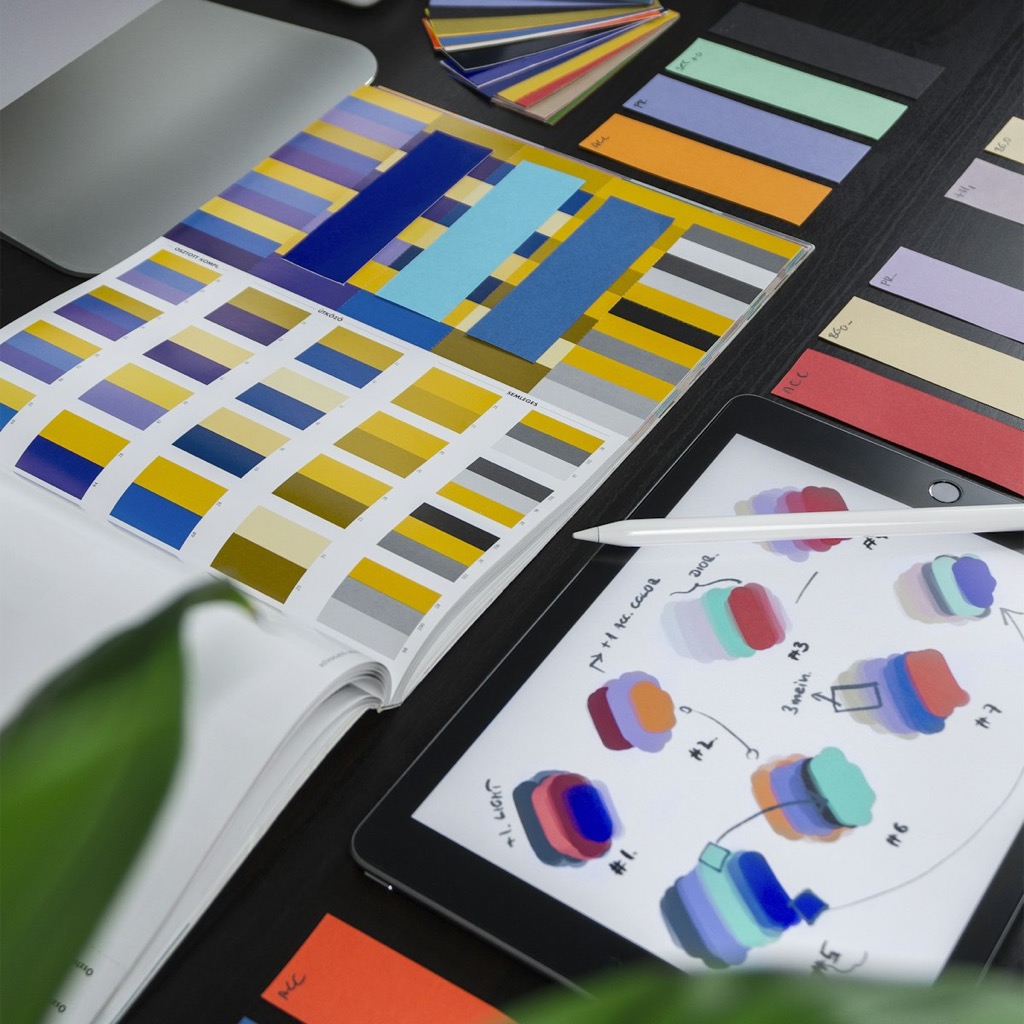
The brand agency versus freelance designer question is really a scope question in disguise. Both can produce a logo you like. Only one model reliably produces a brand system your product, marketing, and sales teams can actually run without calling the designer every Friday. Decide based on what must stay consistent six months after launch — not on who posts the prettier Dribbble shot.
Start by naming the job. “We need a logo” is a deliverable. “We need to look coherent across product UI, website, sales decks, and paid creative — and stop arguing about fonts in Slack” is an identity problem. Freelancers excel at focused craft: a mark, a color pass, a campaign look, a pitch deck restyle. Brand studios (and senior identity-led agencies) excel at research, stakeholder facilitation, systems thinking, and multi-surface application. Hire the person when the output is a set of assets; hire the studio when the output is a set of rules your org will live inside.
Cost is the obvious difference and usually the wrong primary lens. A capable freelance brand designer might price a logo and basic guidelines in the mid four to low five figures. A brand identity studio for a growth-stage company often lands from mid five figures into six for strategy, system, and roll-out support. The studio fee buys more than hours: strategy workshops, critique across disciplines, redundancy if someone is sick, and a process designed to get executives to yes. Compare total cost of thrash — delayed launch, inconsistent templates, redoing marketing mid-funnel — not just the proposal total.
Risk profiles diverge too. Solo freelancers concentrate talent and risk in one person: if they disappear, get overloaded, or misread your market, recovery is slow. Studios spread risk across roles (strategy, design, production) but introduce account management overhead and, sometimes, bait-and-switch seniority. Mitigate either path the same way: meet the people who will do the work, require intermediate artifacts (positioning notes, exploration rationale, system grid), and keep source files and guidelines in your cloud drive from day one.
A real brand system is more than a logo lockup. At minimum you want a primary mark with clear-space and don’ts, secondary marks if needed, type hierarchy, color with accessible combinations, spacing/grid guidance, and enough applied examples that a junior marketer can make a LinkedIn ad without inventing a new brand. Strong engagements also hand off production-ready files (SVG, PDF, sometimes Figma libraries) and a short decision log so future vendors do not reopen settled debates. If a portfolio only shows hero marks with no guidelines or applications, ask how they govern the system after delivery.
Timeline honesty separates practitioners from pitch artists. Logo-led refreshes with one decision-maker can finish in weeks. Rebrands that touch name exploration, messaging, product UI tokens, and legal review take months because alignment — not illustration — is the bottleneck. Build your plan around stakeholder availability and migration: website, packaging, app store assets, email templates. A studio that promises a “full rebrand” in fourteen days is selling a face-lift unless the written scope is surgically narrow.
Use a simple decision test. Choose freelance when: you are pre-product-market-fit or bootstrapped, one founder can approve quickly, you mainly need a logo and light guidelines, and you have (or will hire) someone internal who can extend the system. Choose a brand identity agency when: multiple executives will fight for control, the brand must span product and go-to-market, you need workshops and research to land positioning, or you lack in-house design ops to turn a mark into templates. Hybrid is valid — freelance exploration, studio systemization, or studio strategy with freelance production — if one owner holds the brief and file source of truth.
Brief either partner like an adult. Share ICP, competitors you respect and reject, constraints (regulated industry, accessibility, existing trademarks), must-keep equity (color heritage, wordmark), and where the brand will live first. Ask for process, not vibes: how many exploration routes, how feedback is structured, what “done” means for guidelines, and who owns naming/legal if in scope. Request two or three case studies that show systems in use — websites, product UI, campaigns — not only poster marks.
Appsli is built for the studio side of this decision: curated design agencies tagged for brand identity and logo design, plus matching when you want shortlisted partners against a real brief. If you already know you need a system — not just a logo file — get matched at /get-matched or browse /agencies?category=design and keep the comparison grounded in scope, system depth, and roll-out reality.
Frequently asked questions
When is a studio worth the premium?
Pay the studio premium when the brand will touch many surfaces (product UI, sales decks, packaging, campaigns), when stakeholders will fight over direction without a structured process, or when you need strategy, naming input, and a governable system — not just a mark. A strong freelancer is often enough for a logo refresh, an early-stage MVP identity, or a single campaign look. Studios earn the gap when consistency, facilitation, and multi-discipline handoff matter more than a lower day rate.
What deliverables define a real brand system?
A real system goes beyond a logo file. Expect a primary mark plus clear-space and misuse rules, a type hierarchy, a color system with accessible pairings, voice or messaging pillars if they own verbal identity, and applied examples (website, deck, social, product UI) that show how the rules flex. Production assets should be named, organized, and export-ready (SVG/PDF + platform kits). If the “brand package” is only a moodboard and three logo variants, you bought art direction — not a system your team can run.
How long should a rebrand take?
A focused logo and visual refresh with a small stakeholder group often lands in 4–8 weeks. A full identity system with research, messaging, and multi-channel roll-out commonly runs 3–6 months before launch-ready assets and guidelines are locked. Enterprise rebrands with legal, product UI, and phased go-live can take longer — the calendar is usually constrained by decision latency and asset migration, not drawing speed. Distrust anyone promising a complete rebrand in two weeks without a narrow, written scope.
Ready to find your agency?
Answer a few quick questions and get a tailored shortlist of vetted agencies.
Get matched