Logo design agencies: hire for a mark that scales
Hire a logo design agency when you need a mark that holds up across product, packaging, and paid creative — not just a clever concept on a white background. Use this hub to decide logo-only vs full identity, what file and usage deliverables to demand, and when a freelancer is enough versus a studio process. Start with the FAQs and guides below, then browse Design agencies filtered to logo design or get matched when your constraints, must-keep equity, and decision owner are clear.
Common questions
Logo-only vs full brand identity?
Buy logo-only when you mainly need a primary mark (and maybe wordmark variants) plus clear-space and basic don’ts — common for early MVPs, a focused refresh, or a single-surface launch. Commission a full identity when the brand must stay consistent across product UI, website, decks, and campaigns: type, color, spacing, voice, and applied templates matter as much as the mark. Many logo quotes quietly expand into systems work; write which lane you want into the SOW so “three logo options” does not become an open-ended rebrand.
What does a logo design agency cost?
Capable logo-led work often lands from the mid four figures into the low–mid five for mark exploration, refinements, and production files; full identity systems with guidelines and multi-surface application climb from mid five into six. Price tracks stakeholder complexity and roll-out depth more than “number of concepts.” Compare senior designer time, revision rounds, trademark/legal handoff (if any), and what “done” means for export kits — a cheap mark with no SVG, usage rules, or source files is unfinished work.
Agency vs freelance for logo design?
A strong freelancer fits a narrow brief with one fast decision-maker: logo refresh, early-stage mark, or campaign lockup when someone internal can extend the system later. Choose an agency when multiple executives will debate direction, you need facilitation and critique, or the mark must become a governable system across channels. Agencies cost more overhead; freelancers concentrate talent and risk in one person. Hybrid works — freelance exploration, studio systemization — if one owner holds the brief and the file source of truth.
What logo deliverables should be in the SOW?
At minimum: primary mark, required lockups, clear-space and misuse rules, color/contrast notes for light and dark grounds, and production-ready exports (SVG/PDF plus PNG kits). Source files should live in your drive from day one. If identity is in scope, add type hierarchy, color system, and enough applied examples that marketing can ship without inventing a new brand. Ask how many exploration routes and structured revision rounds are included — “unlimited concepts” usually means weak scoping.
How long should a logo project take?
A focused logo with a small stakeholder group often lands in 2–6 weeks from kickoff to final files. Timelines stretch when legal name checks, many executives, or multi-channel roll-out join the brief — alignment, not drawing speed, becomes the bottleneck. Distrust “full brand in two weeks” unless the written scope is surgically narrow. Build the calendar around decision availability and where the mark must go live first (app icon, site, packaging, ads).
Related articles

How to choose a UI/UX design agency
A buyers guide for picking a UI/UX partner: portfolio signals that mean something, design-system fit, and how to run a paid trial before you commit.
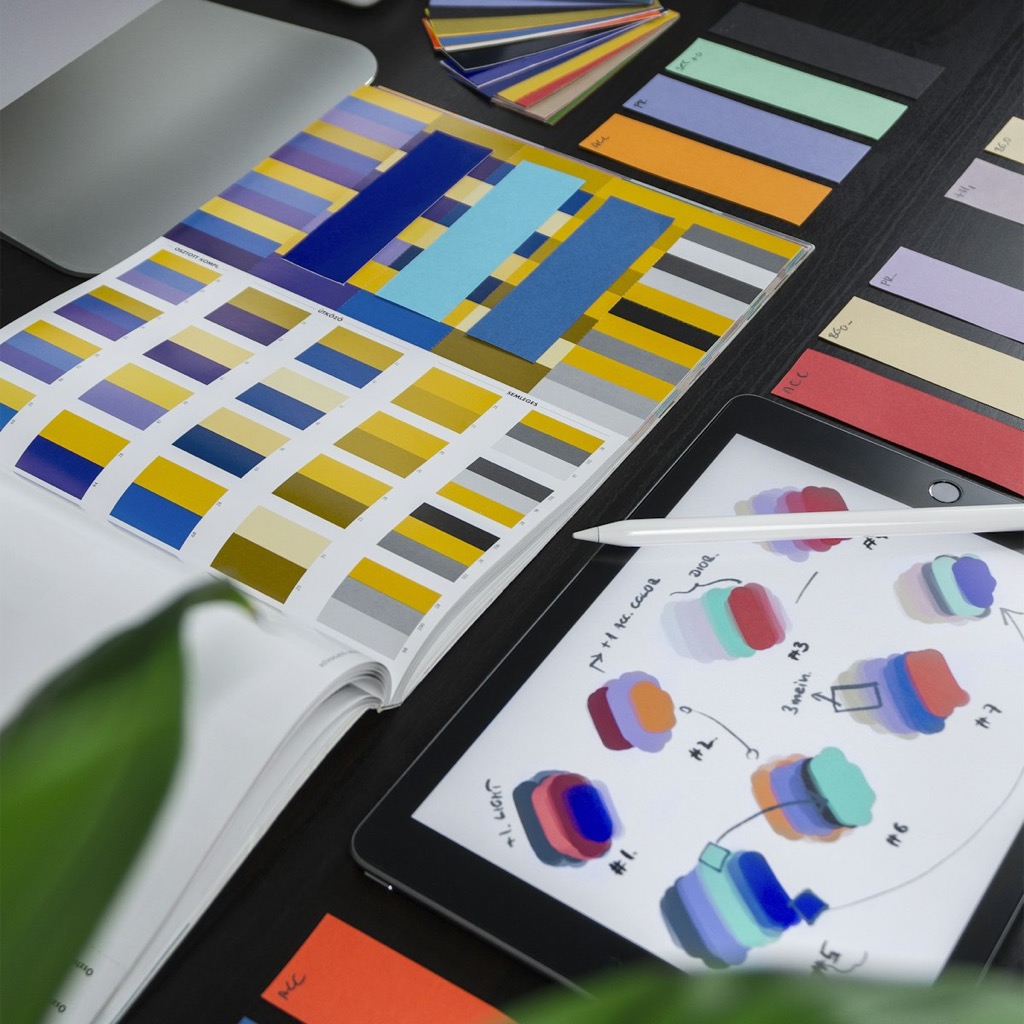
Brand identity agency vs freelance designer
When a logo is enough — and when you need a full brand system. A clear comparison of brand studios and freelance designers on scope, cost, risk, and timeline.

Agency vs. in-house: how to actually decide
The build-or-buy question, minus the dogma. A clear look at cost, speed, and control to help you pick the right model for each function.

Understanding agency pricing models
Retainer, project, hourly, or performance-based? How each model shifts risk, what ranges are realistic, and how to compare quotes without getting played.

12 questions to ask an agency before you sign
The exact questions that separate agencies who deliver from agencies who dazzle in the pitch and disappear after kickoff.

Making a remote agency relationship work
Distributed teams can outperform local ones — if you set up communication, rituals, and expectations the right way from day one.

Red flags to watch for in agency proposals
Slick decks can hide shaky fundamentals. Here are the warning signs that a proposal is selling a promise the agency can't keep.
Ready to shortlist agencies?
Browse vetted teams or answer a few questions for a tailored match.