UI/UX design agencies: hire for product experience
Hire a UI/UX agency when you need research-backed product experience — not just prettier screens. Use this hub to decide what belongs in scope (discovery vs execution), how to brief a team, and when a freelancer is enough versus a multi-role studio. Start with the FAQs and guides below, then browse Design agencies filtered to UI/UX or get matched when your problem, users, and success metrics are clear enough to evaluate partners.
Common questions
UX research in scope or separate?
Include research when you lack credible evidence for direction — new audience, contested IA, or no qualitative signal behind a metric dip. Skip heavy discovery if you are polishing a validated flow with analytics, support tickets, and stakeholder alignment already in hand; then buy focused design and usability checks instead. Many strong SOWs split a short discovery sprint from execution so you can kill or reshape the build before Figma balloons. Ask who runs interviews, how findings turn into decisions, and whether research time is included or billed as an option.
How to brief a UI/UX agency?
Lead with users, jobs-to-be-done, constraints, and success metrics — not mood boards alone. Share product stage, platforms, design-system / brand rules, engineering realities, analytics access, and who decides what ships. Name the problem (activation, onboarding, checkout friction) and the evidence you already have; agencies design to the brief you give them. Define deliverables (flows, prototypes, specs, research summaries), revision rounds, and how handoff to eng works. A one-page brief plus a 60-minute kickoff beats a vague RFP asking for “a modern redesign.”
Freelance vs agency for product design?
A senior freelancer fits a narrow craft slice — one flow, a design-system audit, or IC work paired with your PM — when scope is stable and you can own research and stakeholder glue. Choose an agency when you need research + UI + interaction in parallel, multiple surfaces, or coverage when one person is out. Agencies cost more overhead but reduce single-point failure and usually bring critique, production process, and clearer SOWs. Hybrid works: keep product ownership in-house, buy surge design for a redesign or launch, then shrink to freelance maintenance once patterns stabilize.
Related articles
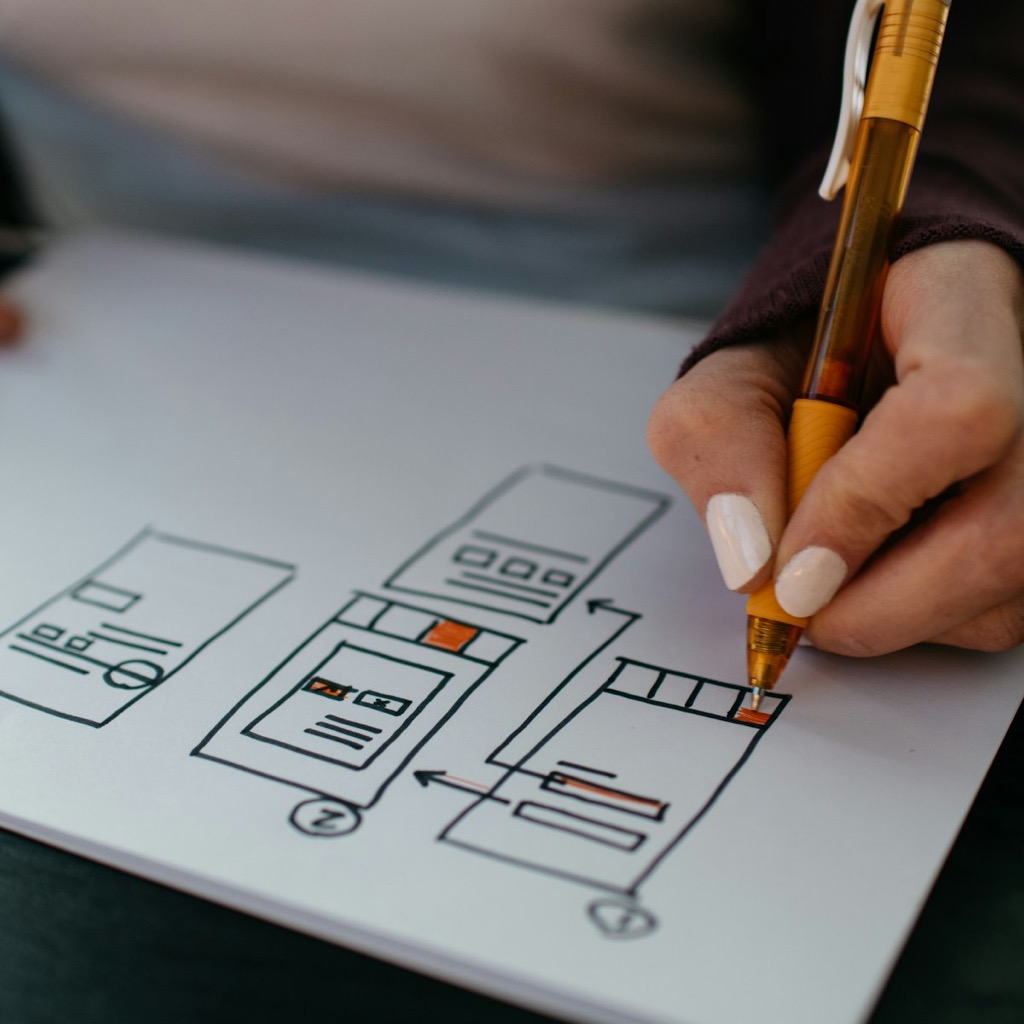
How to choose a UI/UX design agency
A buyers guide for picking a UI/UX partner: portfolio signals that mean something, design-system fit, and how to run a paid trial before you commit.

Agency vs. in-house: how to actually decide
The build-or-buy question, minus the dogma. A clear look at cost, speed, and control to help you pick the right model for each function.

12 questions to ask an agency before you sign
The exact questions that separate agencies who deliver from agencies who dazzle in the pitch and disappear after kickoff.

Understanding agency pricing models
Retainer, project, hourly, or performance-based? How each model shifts risk, what ranges are realistic, and how to compare quotes without getting played.

Making a remote agency relationship work
Distributed teams can outperform local ones — if you set up communication, rituals, and expectations the right way from day one.

Red flags to watch for in agency proposals
Slick decks can hide shaky fundamentals. Here are the warning signs that a proposal is selling a promise the agency can't keep.
Brand identity agency vs freelance designer
When a logo is enough — and when you need a full brand system. A clear comparison of brand studios and freelance designers on scope, cost, risk, and timeline.
Ready to shortlist agencies?
Browse vetted teams or answer a few questions for a tailored match.